The Power of Food as Medicine in Everyday Life
Introduction
From ancient healing traditions to modern scientific research, the idea that food can serve as medicine has stood the test of time. What we eat influences not only our energy levels and weight, but also our immune system, mental clarity, digestion, and long term health. Many people today are rediscovering the importance of intentional nutrition and seeking guidance from resources such as a trusted Nutritionist Hawaii to better understand how everyday food choices can support overall wellness.
Rather than viewing food simply as fuel or indulgence, embracing it as a powerful tool for healing allows individuals to take a proactive role in their health. With thoughtful planning and awareness, food can become a daily form of preventive care.
Understanding the Concept of Food as Medicine
The philosophy of food as medicine is rooted in the belief that whole, natural foods provide the nutrients the body needs to function optimally. Fruits, vegetables, lean proteins, whole grains, healthy fats, herbs, and spices all contain compounds that can reduce inflammation, support organ function, balance hormones, and protect against chronic disease.
Modern research continues to validate what many cultures have practiced for centuries. Diets rich in plant based foods are associated with lower rates of heart disease, diabetes, obesity, and certain cancers. Nutrients such as antioxidants, fiber, omega 3 fatty acids, vitamins, and minerals work together to repair cells, strengthen immunity, and regulate metabolic processes.
When food is chosen intentionally, it becomes a daily opportunity to nourish the body and support healing from within.
Key Benefits of Using Food for Healing
Improved Immune Function
Foods rich in vitamins A, C, D, zinc, and probiotics help the immune system fight infections and recover more quickly. Citrus fruits, leafy greens, yogurt, garlic, ginger, and mushrooms are just a few examples of immune boosting choices that can easily be incorporated into meals.
Reduced Inflammation
Chronic inflammation is linked to many health conditions, including arthritis, heart disease, and autoimmune disorders. Anti inflammatory foods such as berries, turmeric, olive oil, fatty fish, nuts, and green vegetables help calm inflammation and promote tissue repair.
Better Digestive Health
A healthy gut plays a major role in nutrient absorption, immunity, and even mental health. Fiber rich foods like whole grains, legumes, fruits, and vegetables feed beneficial gut bacteria, while fermented foods such as kefir, sauerkraut, and kimchi introduce helpful probiotics.
Balanced Energy Levels
Highly processed foods often lead to energy crashes, while whole foods provide steady fuel. Complex carbohydrates, protein, and healthy fats work together to maintain blood sugar balance and prevent fatigue throughout the day.
Recognizing Individual Nutritional Needs
While general healthy eating principles apply to most people, individual responses to food can vary. Some people thrive on certain foods while others may experience digestive issues, inflammation, or fatigue. Food sensitivities, allergies, and nutrient deficiencies can all influence how the body reacts to what is consumed.
Learning to listen to your body is essential. Symptoms such as bloating, headaches, joint pain, skin irritation, or low energy may be signs that certain foods are not supporting your health. Many wellness professionals emphasize personalized nutrition to identify triggers and create balanced eating plans tailored to individual needs.
For those interested in exploring this connection further, resources focused on Holistic Diet & Nutrition in Honolulu, HI offer valuable insights into how hidden food sensitivities may impact overall well being.
Simple Ways to Incorporate Healing Foods Into Daily Life
Embracing food as medicine does not require drastic changes or complicated diets. Small, consistent adjustments can lead to meaningful improvements in health over time.
Start With Whole Foods
Choose foods in their natural form whenever possible. Fresh fruits and vegetables, whole grains, nuts, seeds, lean proteins, and minimally processed ingredients provide the most nutrients.
Add More Color to Your Plate
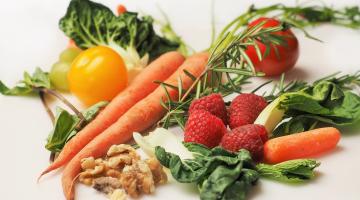
Different colored foods contain different beneficial compounds. Aim for a variety of reds, greens, yellows, purples, and oranges throughout the week to maximize nutrient intake.
Use Herbs and Spices
Garlic, turmeric, cinnamon, ginger, basil, and oregano not only enhance flavor but also provide powerful anti-inflammatory and antioxidant benefits.
Stay Hydrated
Water supports digestion, circulation, detoxification, and energy levels. Herbal teas and infused water can also offer additional health benefits.
Plan Balanced Meals
Include a mix of protein, healthy fats, and complex carbohydrates in each meal to support stable energy and nutrient absorption.
The Role of Science in Food as Medicine
Advancements in nutritional science continue to deepen our understanding of how food interacts with the body at a cellular level. One emerging field, known as nutritional metabolomics, studies how nutrients affect metabolic pathways and influence disease risk, offering valuable insights into personalized nutrition and preventive care.
This research highlights how specific foods and nutrients can positively or negatively impact health depending on individual biology. As science evolves, it further reinforces the importance of making informed, mindful dietary choices.
For those interested in the scientific foundation behind these concepts, exploring research on nutritional metabolomics provides a deeper look into how food shapes health outcomes.
Building a Long Term Relationship With Healthy Eating
Viewing food as medicine encourages a shift from short term dieting to long term wellness. Instead of focusing on restriction or quick fixes, the emphasis becomes nourishment, balance, and sustainability.
Creating healthy habits may include cooking more meals at home, learning about ingredient labels, trying new whole foods, and paying attention to how meals make you feel physically and mentally. Over time, these habits become part of a lifestyle that supports vitality and resilience.
It is also important to allow flexibility. Enjoying favorite treats in moderation helps maintain a positive relationship with food and prevents feelings of deprivation.
Conclusion
The power of food as medicine lies in its ability to support the body naturally, prevent illness, and promote overall well being through everyday choices. By focusing on whole, nutrient rich foods and listening to individual needs, people can transform meals into tools for healing and long term health.
As research continues to uncover the deep connections between nutrition and the body, the importance of mindful eating becomes increasingly clear. Whether through small dietary improvements or personalized nutrition approaches, embracing food as medicine offers a practical and empowering path toward a healthier life.
More to Read:






Previous Posts: